
|
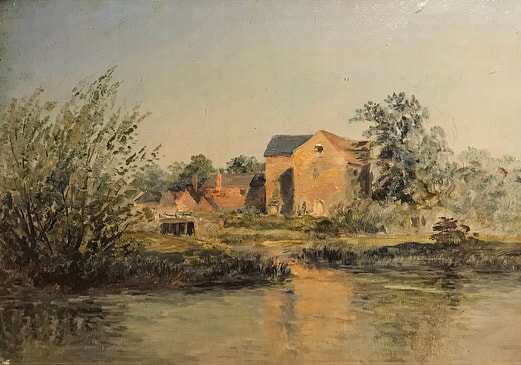
"The Mill at Hampton Lucy"
This painting of Charlecote Mill from the west side and looking across the mill pool was painted in the late 1800's by Fred William Newton Whitehead (1853-1938). The original painting, through a very generous gift, is now owned by the current Miller at Charlecote. |
"Milling locally sourced grains in the traditional fashion since the beginning of the 1750's"
A Brief History of Charlecote Mill
|
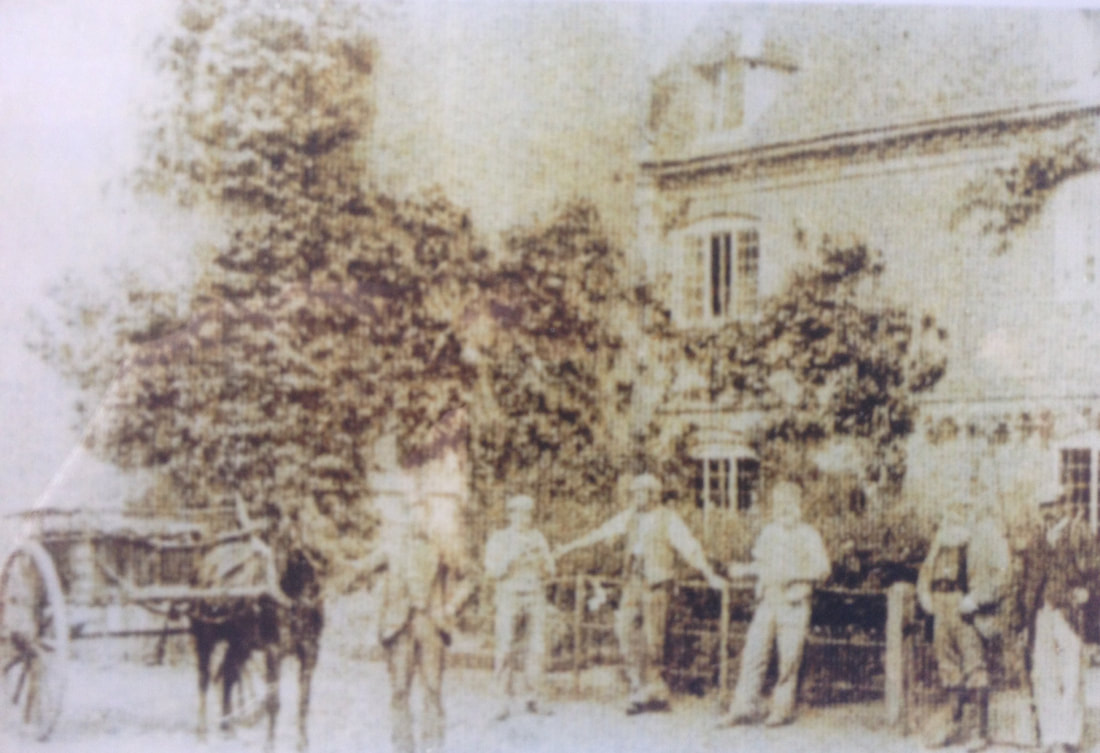
This image is believed to be of Wm Witherington with his staff outside the Mill House
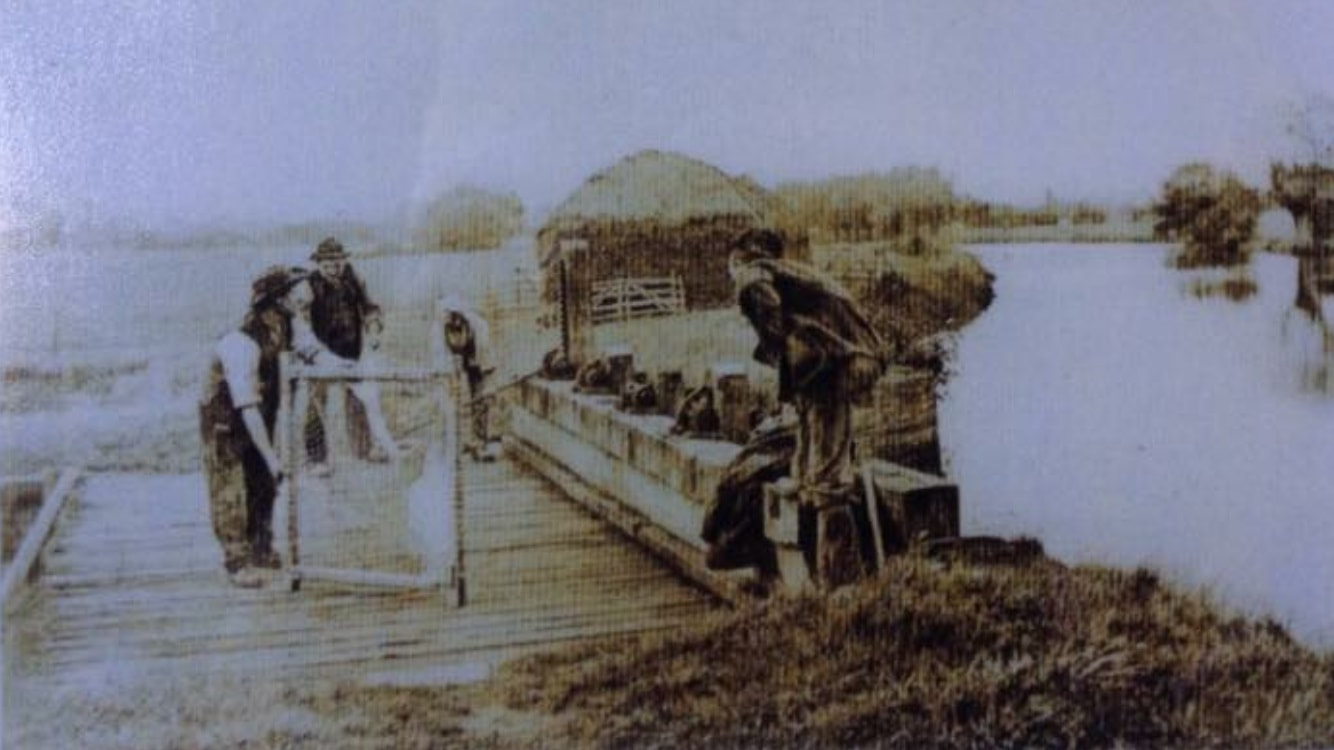
Eel fishing off the head race weir
|
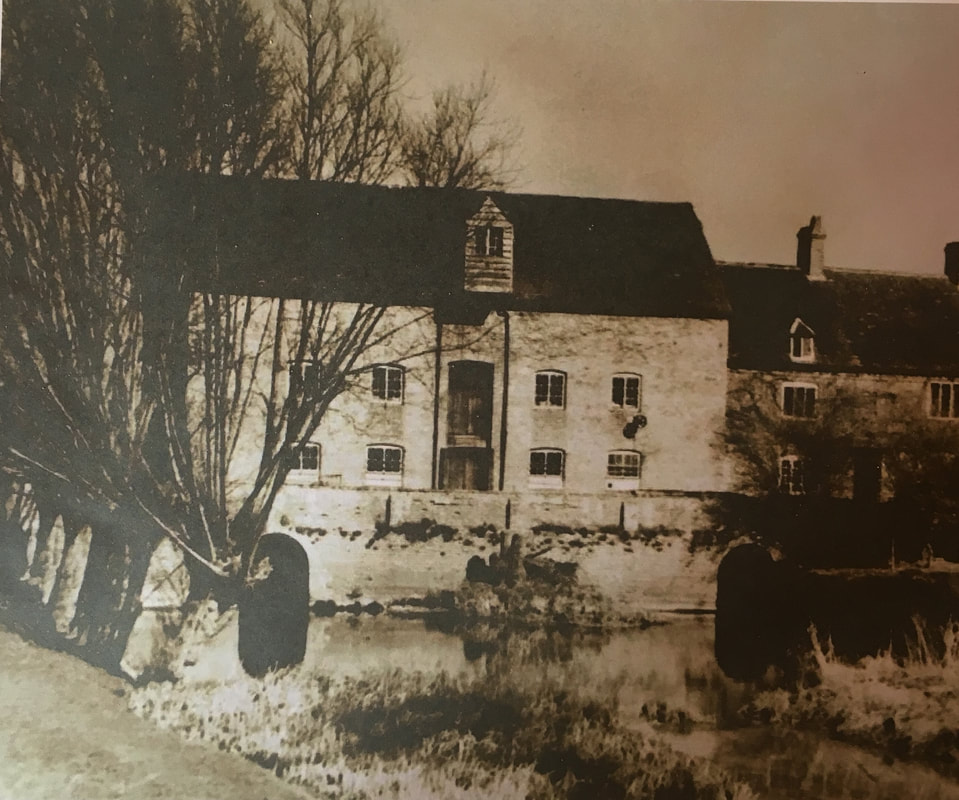
Charlecote Mill, Mid 19th Century
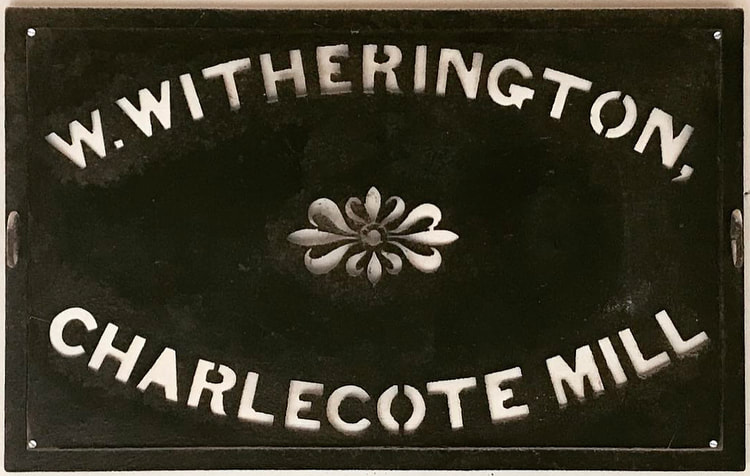
Original Witherington sack stencil
|
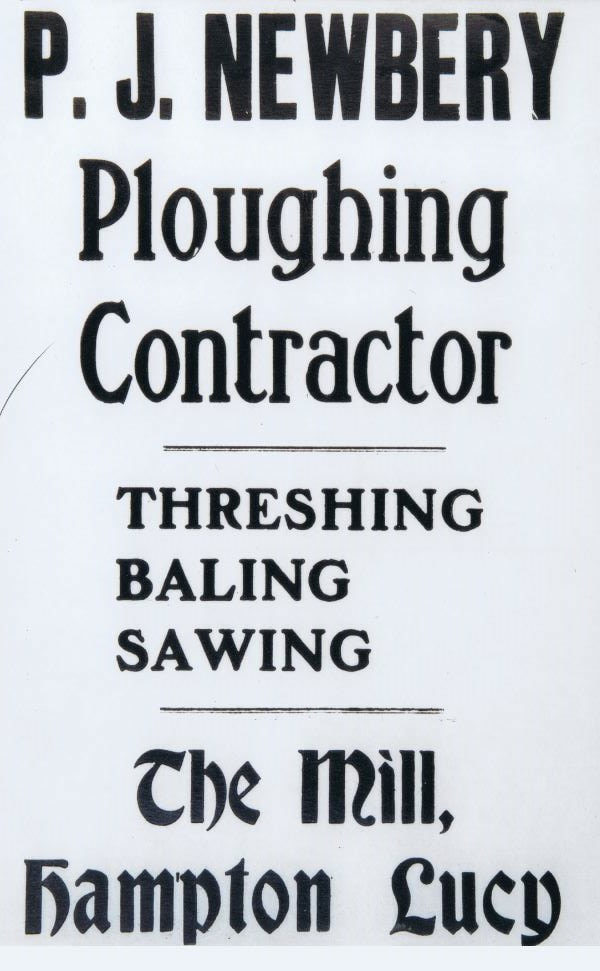
|
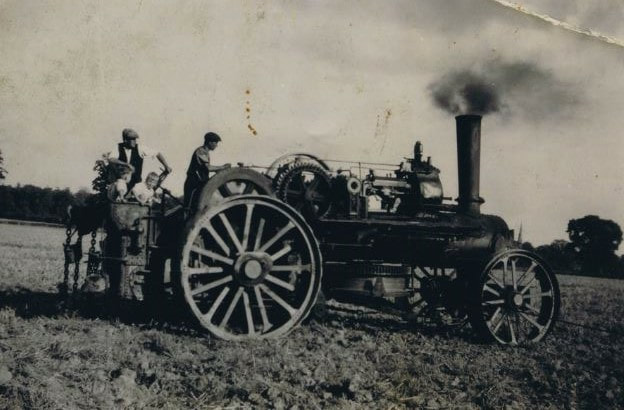
Traction engine owned by Newberys
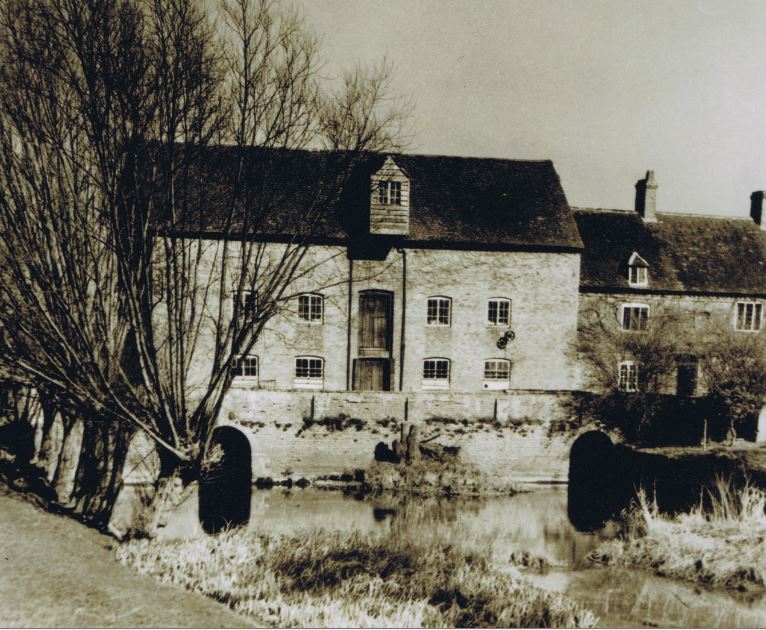
Charlecote Mill pre WWII
|
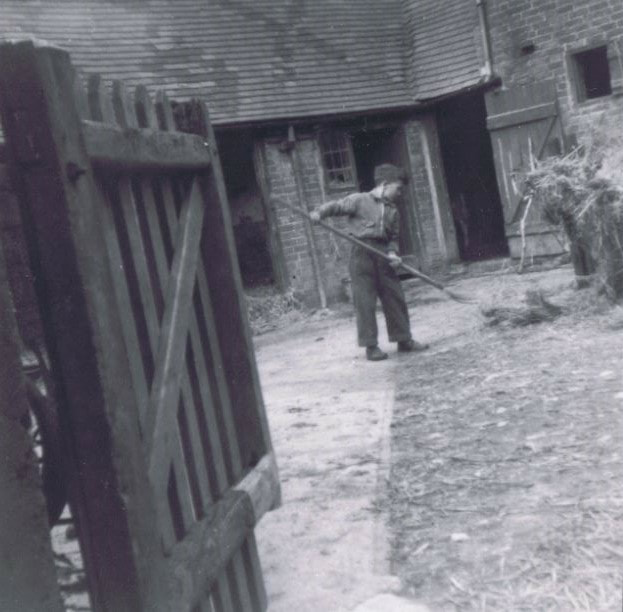
A Newbery child shovelling hay in the Mill House courtyard
|
TIMELINE OF CHARLECOTE MILL
1086
Charlecote has two mills valued at 21s and Hampton (Lucy) one mill valued at 6s 8d according to the Domesday Book. Possibly, the present Charlecote Mill was on or near the site of one of these mills.
Charlecote has two mills valued at 21s and Hampton (Lucy) one mill valued at 6s 8d according to the Domesday Book. Possibly, the present Charlecote Mill was on or near the site of one of these mills.
1728
First known documentary reference to a mill which was definitely on the present site; the miller was Stephen Lewis.
First known documentary reference to a mill which was definitely on the present site; the miller was Stephen Lewis.
1731-2
Stephen Lewis dies, and the Charlecote Lucy estate, who still own the mill, let it to John Osburn after spending £193-12s-5d on repairs. The repairs include mason’s, millwright’s and blacksmith’s work and two peak millstones, suggesting that the mill was far from new at that point.
Stephen Lewis dies, and the Charlecote Lucy estate, who still own the mill, let it to John Osburn after spending £193-12s-5d on repairs. The repairs include mason’s, millwright’s and blacksmith’s work and two peak millstones, suggesting that the mill was far from new at that point.
1736
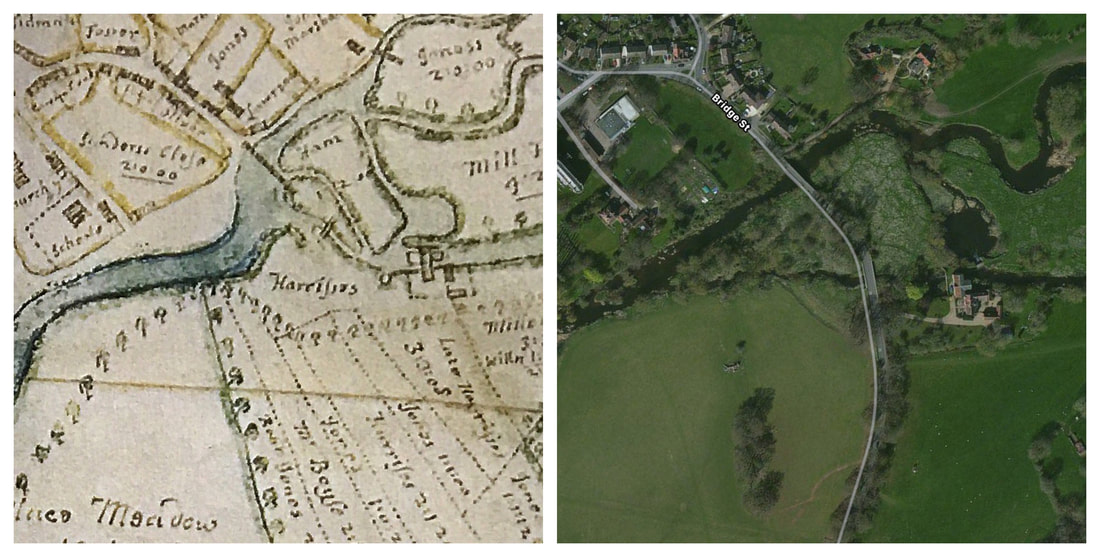
The mill features on a beautifully drawn and coloured map of the Lucy estate. The outline of the watercourses is as now, but the outline of the mill different from the present building, though it appears already to have had two water courses.
The mill features on a beautifully drawn and coloured map of the Lucy estate. The outline of the watercourses is as now, but the outline of the mill different from the present building, though it appears already to have had two water courses.
1752
In December, a lease is granted to John Osborn (presumably the same “John Osburn” as before, or one of his family).
In December, a lease is granted to John Osborn (presumably the same “John Osburn” as before, or one of his family).
1753
This date is carved on the stone blocks of the headrace of the west waterwheel, under the normal waterline: evidently refers to a covenant by the landlord in the 1752 lease to repair the watercourses.
This date is carved on the stone blocks of the headrace of the west waterwheel, under the normal waterline: evidently refers to a covenant by the landlord in the 1752 lease to repair the watercourses.
1772
New lease is granted to John Osborn the elder, Edward Osborn and William Osborn. It makes reference to a sack hoist and flour dresser installed by the Osborns which possibly is the one that still exists today.
New lease is granted to John Osborn the elder, Edward Osborn and William Osborn. It makes reference to a sack hoist and flour dresser installed by the Osborns which possibly is the one that still exists today.
1791
Mill features on another map of the Lucy estate, the outline of the watercourses and building being unchanged since the map of 1736.
Mill features on another map of the Lucy estate, the outline of the watercourses and building being unchanged since the map of 1736.
1806
On the middle floor of the present mill is the inscription “This bed stone was put in 1806”, suggesting either a remodelling of the mill around this time or possibly the date of a rebuild, neither can be definite.
On the middle floor of the present mill is the inscription “This bed stone was put in 1806”, suggesting either a remodelling of the mill around this time or possibly the date of a rebuild, neither can be definite.
1845-1864
See separate panel on the left.
See separate panel on the left.
1864 to c1900
The miller was Samuel Goff. It was probably during his time that the remaining wooden parts of the waterwheels (except paddles) were converted from wood to iron. In 1890-91, when farming was bad and country mills in decline, Mr Goff was in financial difficulties, and had his rent reduced.
The miller was Samuel Goff. It was probably during his time that the remaining wooden parts of the waterwheels (except paddles) were converted from wood to iron. In 1890-91, when farming was bad and country mills in decline, Mr Goff was in financial difficulties, and had his rent reduced.
1901-1914
The miller was now Harold Palmer, who also until 1906, was a partner in the next mill upstream at Barford. The mill at Barford that was easily the size of Charlecote mill is now gone without any trace remaining.
The miller was now Harold Palmer, who also until 1906, was a partner in the next mill upstream at Barford. The mill at Barford that was easily the size of Charlecote mill is now gone without any trace remaining.
1914-1929
The millers were Oliver Baker and his brother Roland, though most of the work was done by three employees, one of whom, “Bluey” Harwood, was still remembered locally sixty years later for his habit of giving children rides on the sack hoist. The seat he used is now displayed on the stone floor.
It appears some flour was still being ground, but most of the trade was animal feed.
The millers were Oliver Baker and his brother Roland, though most of the work was done by three employees, one of whom, “Bluey” Harwood, was still remembered locally sixty years later for his habit of giving children rides on the sack hoist. The seat he used is now displayed on the stone floor.
It appears some flour was still being ground, but most of the trade was animal feed.
1929
Newbery and Son took over the mill, and were agricultural contractors as well as millers and farmers.
Newbery and Son took over the mill, and were agricultural contractors as well as millers and farmers.
c1939
The waterwheels were in poor state and ceased to be used for milling, although the west wheel was cobbled up and used to drive the sack hoist throughout the War. Animal feed was milled using modern machinery turned by line shafting driven initially from a tractor and later by electricity.
The waterwheels were in poor state and ceased to be used for milling, although the west wheel was cobbled up and used to drive the sack hoist throughout the War. Animal feed was milled using modern machinery turned by line shafting driven initially from a tractor and later by electricity.
c1960
Newberys leave and milling ceases, the mill becomes temporarily derelict.
Newberys leave and milling ceases, the mill becomes temporarily derelict.
1978
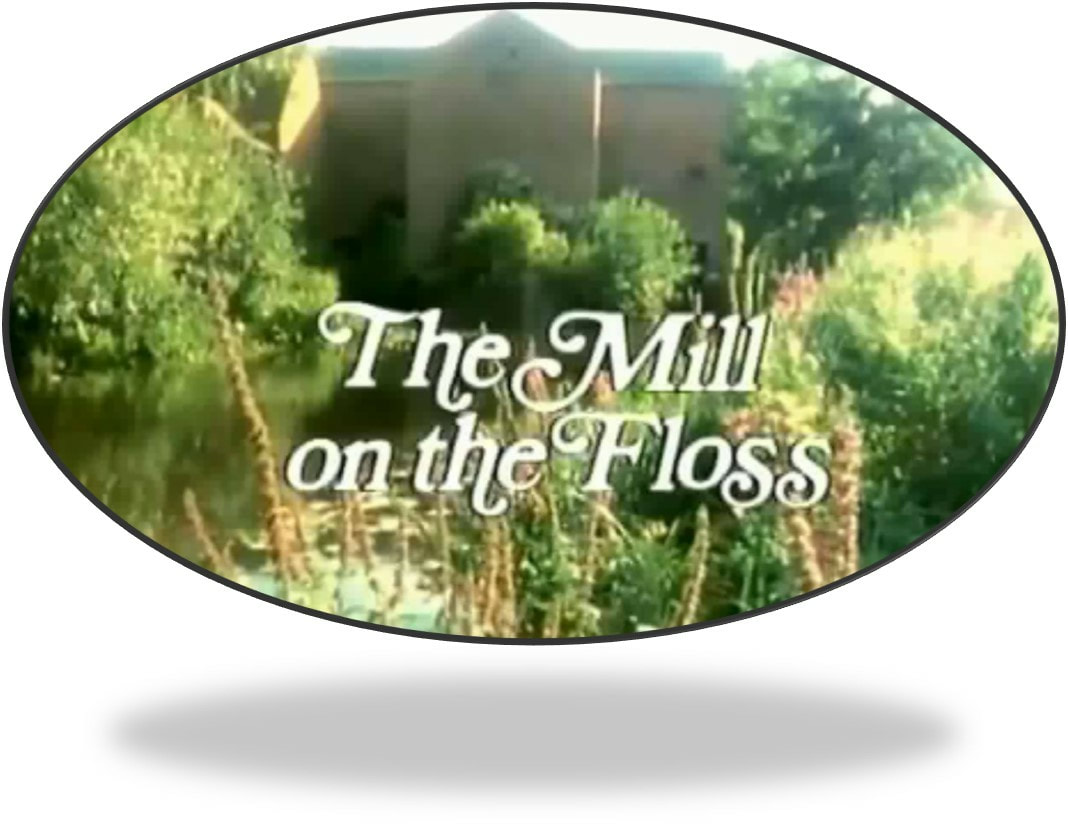
The BBC use the mill for the filming of a TV adaptation of George Eliot’s The Mill on the Floss. Basic repairs see the West Water wheel turn again.
The BBC use the mill for the filming of a TV adaptation of George Eliot’s The Mill on the Floss. Basic repairs see the West Water wheel turn again.
1978
John Bedington, on the initiative of the owner Sir Edmund Fairfax Lucy, rents the mill and with Tom Mitchell and others repairs it to working order.
John Bedington, on the initiative of the owner Sir Edmund Fairfax Lucy, rents the mill and with Tom Mitchell and others repairs it to working order.
1981
Mill first grinds again, and is periodically opened to the public.
Mill first grinds again, and is periodically opened to the public.
1983-2012
John Bedington runs the mill as a full time concern mainly grinding wholemeal flour.
John Bedington runs the mill as a full time concern mainly grinding wholemeal flour.
2012
John Bedington retires and Karl Grevatt takes over as miller, in October.
John Bedington retires and Karl Grevatt takes over as miller, in October.